
Restorative Dentistry
Root Canal Treatment in Irving, TX
The treatment that saves an infected tooth instead of removing it — and, done properly, feels much like having a filling.
Severe tooth pain does not wait politely. If a tooth is infected or badly decayed, a root canal clears the infection and keeps the tooth in your mouth. We offer sedation options for anyone who would rather not be fully present for it.

Dentistry with the patience of a private studio.
Expert Root Canal Care, with Sedation Options
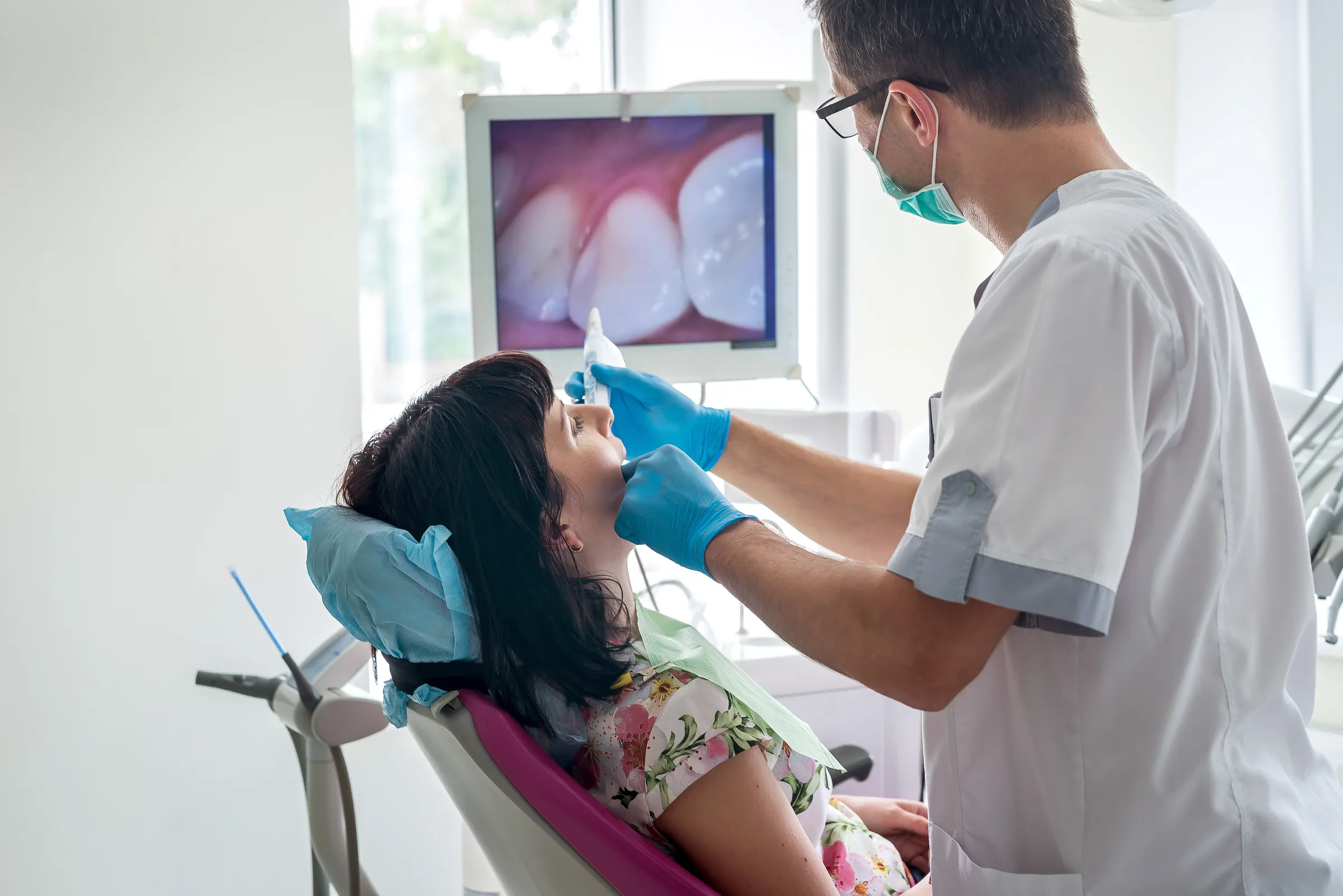
A root canal treats a tooth whose pulp — the soft tissue inside — has become infected or severely decayed. The infected tissue is removed, the interior of the tooth is cleaned and disinfected, and the tooth is sealed against further damage. Left untreated, that infection spreads, the pain worsens, and the tooth is eventually lost.
Signs You May Need a Root Canal
- Persistent tooth pain
- Sensitivity to hot or cold that lingers after the source is removed
- Swelling or tenderness in the gums
- A tooth that has darkened
- A toothache that gets worse over time rather than better
Any of these is worth a look. Severe pain is worth a call today — we keep time for urgent dental care, and an infected tooth is one of the things it is for.
What the Procedure Involves
Four stages, usually across one visit.
- Consultation and Examination X-rays and a thorough exam establish what is happening inside the tooth and whether a root canal is the right answer.
- Anesthesia and Sedation The tooth is numbed. For patients who feel anxious about dental treatment, we offer sedation so you can be calm throughout rather than enduring it.
- Treatment The infected pulp is removed, the inside of the tooth is cleaned and disinfected, and the tooth is sealed with a filling or a temporary crown.
- Restoration A crown is often fitted afterwards to strengthen and protect the tooth, since a treated tooth is more brittle than a healthy one.
Aftercare
Mild discomfort for a few days afterwards is normal, and usually manageable with over-the-counter pain relief. We give you detailed aftercare instructions and see you back to check the treatment has done what it should and to discuss the permanent restoration.
Why Patients Choose Us for Root Canals
Reputation aside, a root canal is a procedure where comfort and technique matter in equal measure.
- Experienced Care Our team performs root canals with a focus on patient comfort and on outcomes that hold.
- Sedation for Comfort Sedation dentistry is available, so anxiety is not a reason to leave an infected tooth untreated.
- Urgent Appointments Severe tooth pain gets seen quickly rather than queued behind routine work.
- Comprehensive Services Everything from the emergency visit through to the crown that finishes the tooth, in one place.
In Pain? Call Us
Do not wait it out. Call us on (469) 702-8482 or visit us at 4500 N MacArthur Blvd. Suite #100, Irving, TX 75038, and we will get you seen and get the tooth comfortable.
Root Canal FAQ
- What is a root canal, and why would I need one?
- It treats and saves a tooth that is infected or severely decayed. You need one when the pulp inside the tooth is damaged, which causes pain, sensitivity and infection if it is left.
- Is a root canal painful?
- Thanks to modern technique and sedation, a root canal is typically no more uncomfortable than having a filling. You may feel pressure, but the area is numbed, and sedation is available if you want it.
- How long does the procedure take?
- Usually 60 to 90 minutes, depending on the complexity. Some cases need more than one visit, particularly where a permanent crown follows.
- Can a root canal be done in one visit?
- Often, yes. A follow-up is needed where additional treatment or a permanent crown is required.
- What should I expect afterwards?
- Mild discomfort or sensitivity for a few days, usually handled with over-the-counter pain relievers. We will give you aftercare instructions to help it settle.
- Will I need a crown afterwards?
- In many cases yes. A crown protects the treated tooth and restores its strength, and we will tell you whether yours needs one based on where it sits and what condition it is in.
- Can I go back to work the same day?
- Most patients can. Avoid eating on the treated tooth until the numbness has worn off and the temporary filling has settled.
- Does insurance cover a root canal?
- Many plans cover part or all of it, since it is a medically necessary procedure. Check the details with your provider, and we will help you work it out.