
Restorative Dentistry
Crown Lengthening in Irving, TX
Reshaping gum and bone to expose more of a tooth — so a crown has something to hold on to, or so a smile shows less gum.
Crown lengthening solves two quite different problems with one procedure: it gives a restoration a stable foundation where the tooth has broken below the gum line, and it corrects a gummy smile. We offer sedation for both.
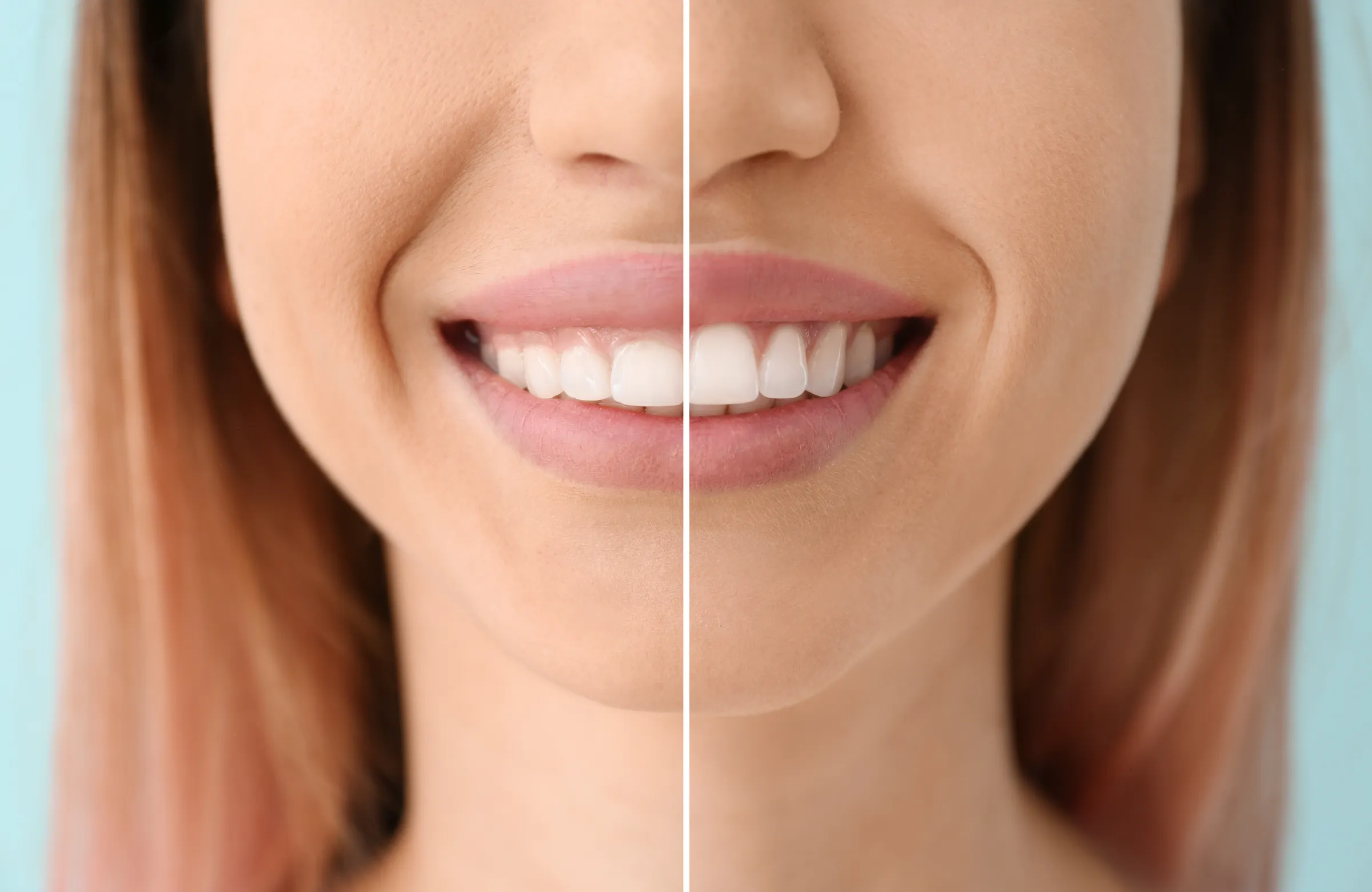
Dentistry with the patience of a private studio.
Improve Both the Look and the Function of Your Teeth
Crown lengthening is a surgical procedure that reshapes the gum and bone tissue to expose more of the natural tooth. It is most often done to prepare a tooth for a crown or another restoration, and it is also the answer to a smile that shows more gum than tooth.
Why You Might Need It
- Preparation for a Crown Where a tooth is damaged or decayed below the gum line, exposing more of it gives the crown a surface to seat against securely.
- Cosmetic Reasons Reshaping the gums brings a gummy smile back into proportion, so the teeth read as the right size rather than short.
- Periodontal Treatment For patients with gum disease, removing excess gum tissue makes the area easier to clean and easier to keep healthy.
Crown Lengthening Before a Restoration
If a crown is planned, this procedure is often what makes it possible. Exposing more of the tooth creates a stable foundation, which is what determines whether the crown fits properly, looks natural and lasts. A crown seated on too little tooth is a crown that comes loose.
Crown Lengthening for a Gummy Smile
Where teeth look small, the problem is often the gums rather than the teeth. Reshaping the gum line reveals the tooth that was always there and evens out the balance of the smile — frequently alongside veneers or bonding as part of a wider cosmetic plan.
What to Expect
Usually a single visit, with healing over the following weeks.
- Consultation and Exam We assess your oral health and determine whether crown lengthening is the right solution, often alongside a plan for the crown or restorative work that follows.
- Sedation Options The area is numbed, and sedation dentistry is available so you can stay relaxed throughout.
- The Procedure Excess gum and, where necessary, bone tissue is gently removed to expose more of the tooth. The area is cleaned and sutured.
- Post-Surgery Care We give you detailed aftercare instructions. Most patients return to normal activities within a few days, with full healing taking a few weeks.
Book a Crown Lengthening Consultation
Whether it is to prepare for a crown, to treat gum disease or to change how much gum your smile shows, come and let us take a look. Call us on (469) 702-8482 or visit us at 4500 N MacArthur Blvd. Suite #100, Irving, TX 75038.

Crown Lengthening FAQ
- What is crown lengthening, and why do I need it?
- It is a surgical procedure that reshapes gum and bone tissue to expose more of the tooth. It may be needed to prepare for a crown, to address a gummy smile, or as part of treating periodontal disease.
- Is crown lengthening painful?
- The procedure itself is not, because it is performed under local anesthesia, and sedation is available. Afterwards you may have some mild discomfort, which pain relievers handle.
- How long does recovery take?
- Initial recovery is about a week; full healing of the gums takes a few weeks. We will give you detailed aftercare instructions.
- Will I need a crown afterwards?
- Often, yes — crown lengthening is frequently done precisely because there is not enough exposed tooth to place a crown securely. We will tell you at your consultation.
- Can it be done for cosmetic reasons?
- Yes. Reshaping the gum line to correct a gummy smile is one of the commonest reasons for it.
- Is it covered by insurance?
- Where it is needed for functional reasons, such as preparing for a crown, many plans cover part of the cost. Purely cosmetic cases vary — check with your provider.
- Can it be done in one visit?
- Typically yes, with a follow-up appointment to check healing and to carry on with the restoration.
- What are the risks?
- As with any surgical procedure there are minor risks, such as infection or temporary sensitivity. With proper care and by following the post-operative instructions, complications are rare.